
1536
The best play I saw in London

Just a note before I write my thoughts: this show had the strongest language and sexual content I have ever seen in a stage production. I will likely quote some of the show in my response to it, so if you are sensitive to strong language or mentions of sex/sexual assault this may not be the post for you.
When I was in London, I thought often about theater as it was performed in Ancient Greece—specifically about Aristotle’s idea of catharsis and how interacting with tragedy can release emotions in the body. I don’t know if I ever really understood how theater specifically could do this until I went to London. I felt that other art forms were equally capable of drawing my emotions out and connecting me with something deeper, but there’s something about watching a real, physical person cry and yell in front of you that cannot be replicated in front of a screen or a page. This show was brilliant, but seeing it multiple times in one week would be demanding—at least for me. I spent several days after watching it feeling more emotionally drained than I ever had from a work of art before. The entire show had an undercurrent of uninhibited female rage that I had never seen channeled in such a precise way.
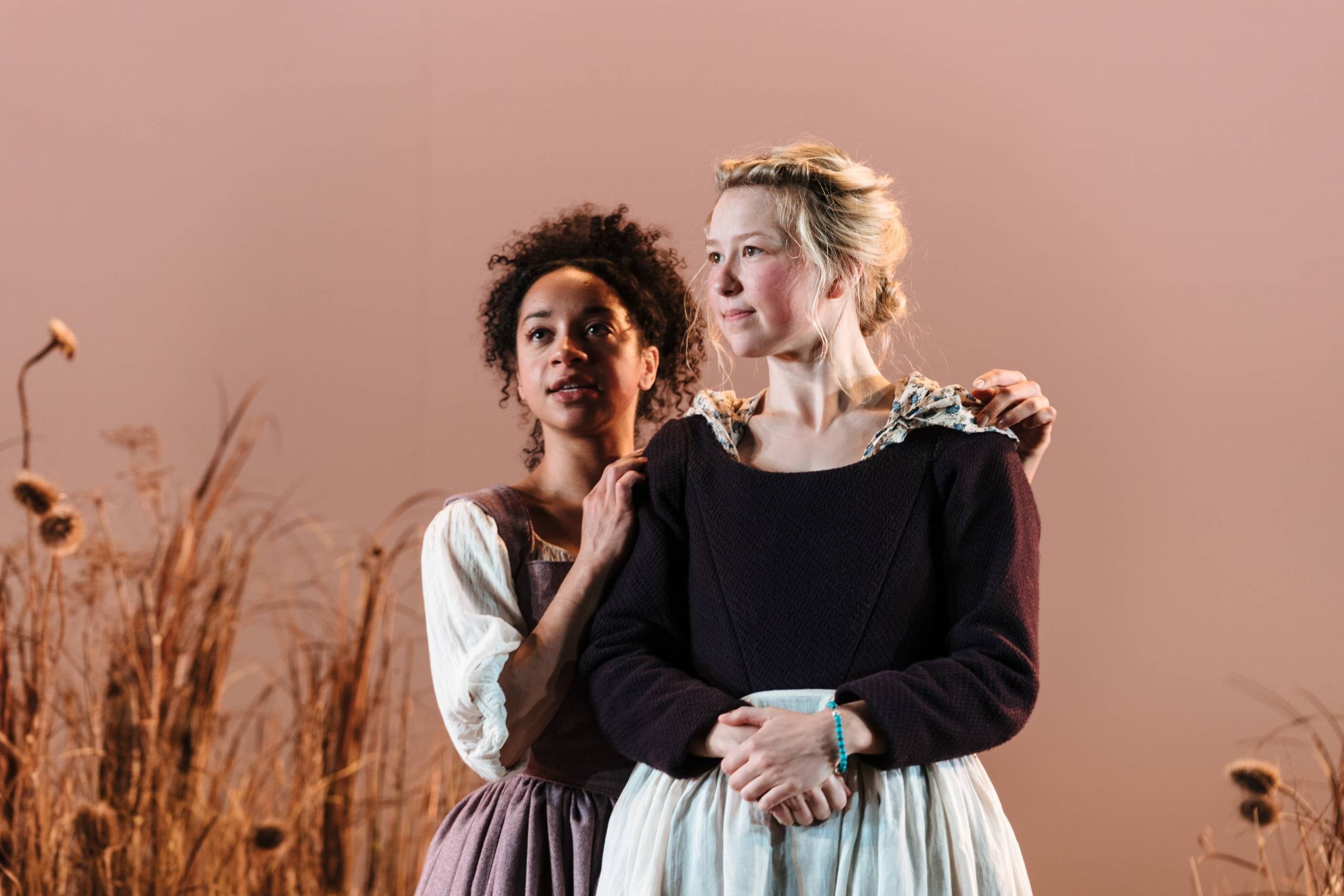
1536 is about the story of Henry VIII and Anne Boleyn, but unlike other shows that explore the events of that year (like “Six”), it hones in on the reactions of the people in a nearby town. The only information the audience gets about Henry VIII and his wives is through the gossip shared by three young women in the town, Anna, Jane, and Mariella.
It’s clear from the beginning of the show that the three women—as well as the two men they interact with—are playing out the story of Henry VIII, Anne Boleyn, and Jane Seymour on a smaller scale, allowing the playwright Ava Picket to explore relationships between men and women in both a large-scale institutional/political way and a small-scale social way. This model is also brilliant because it can show how misogyny on one level can influence relationships on another level. For example, when Henry VIII imprisoned his own wife he—whether intentionally or not—made it state-sanctioned for men to vilify their wives and women generally. What happens at the top is echoed all the way down, something we still see today in many different institutions and settings.
Details about the show:
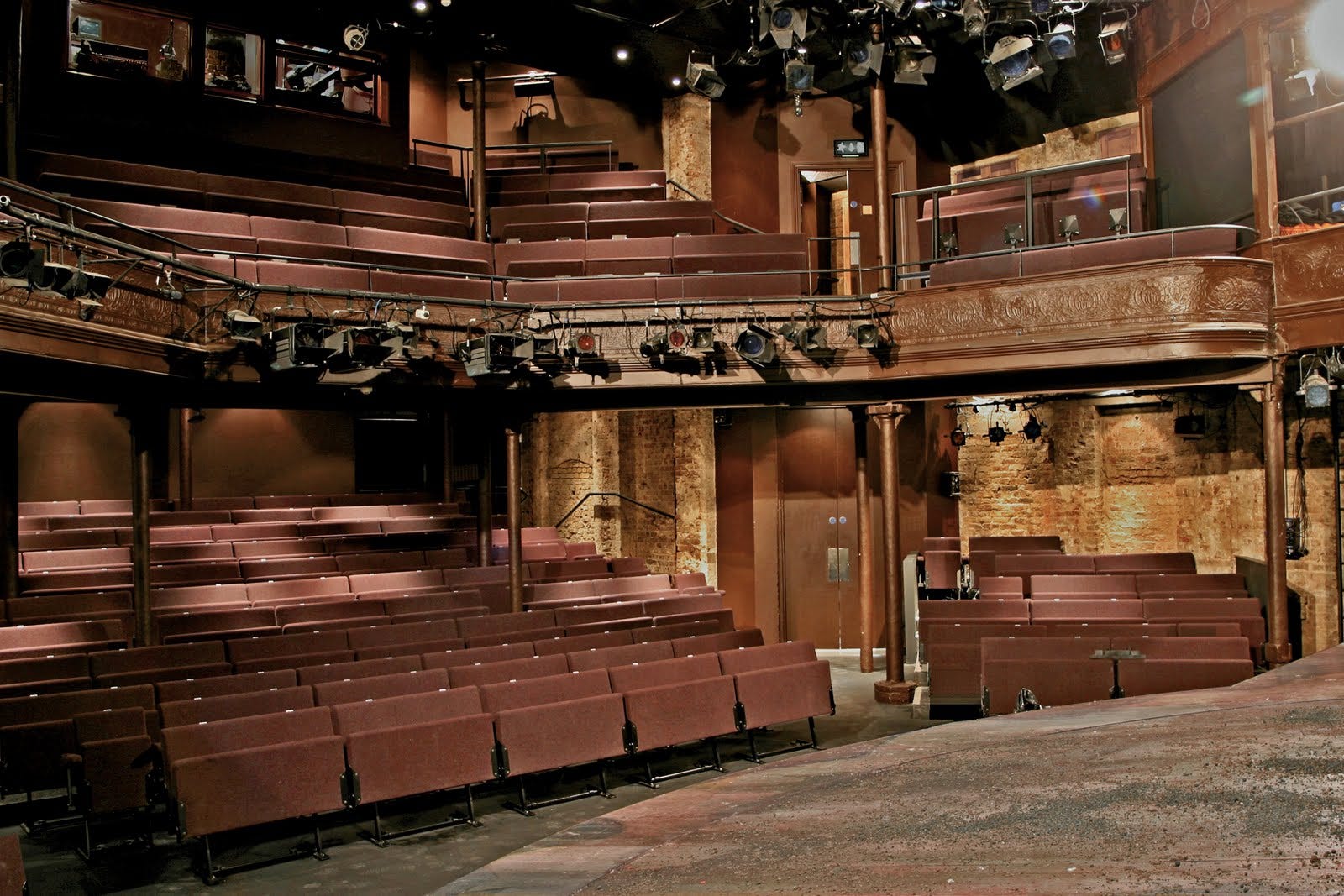
1536 was shown at the Almeida Theater, a small theater in the Islington Borough of London that is well-known for promoting new artists with potential. Something I love about theater in London is that the average size of the theaters is so much smaller than the ones in the states, allowing for people to see the performance in a more personal, confined way. Two of my favorite shows were in the smallest theaters I had ever seen, and two of my least favorite shows were in some of the largest theaters. The small space is just so much more intimate, and for a show that was so emotionally charged, I think the small space was perfect. I don’t know if the effect would be exactly the same if it was shown in the National Theater, for example.
It’s also impressive that the playwright, Ava Pickett, is only 31 years old. 1536 is her debut play, and it won the prestigious Susan Smith Blackburn prize for women who write in theater. I’m excited to see what she ends up writing next. The actors were also brilliant. My favorite, Tanya Reynolds (who played Mariella), graduated from Oxford with a degree in drama and has acted in several shows on the West End. I think she’s pretty well-known at this point.
One of the most compelling aspects of the show for me was its exploration of female friendship and the perils of deep emotional connections with people you know well. Anna, Jane, and Mariella grew up together, and they have spent years witnessing each other’s flaws, so when emotions run high, it becomes easy for them to hurt one another. Here’s a segment of my first impression of the play that I wrote the night I watched it:
“I noticed from the very beginning of the play that it was very emotionally charged. I felt tired after watching it, and that was a sign to me that it had done its job. It was meant to make you feel constricted and angry and misunderstood—to put you into the places of those three women.
One thing that I noticed in particular was how the play portrayed the idea of power. I didn’t expect there to be so much confusion in the relationships between the women as well, which added another layer of meaning to the show. They seek power over one another for a multiplicity of reasons, sometimes not even purposefully, but at the end of the day they are all still in the power of their society and the men nearest them.”
I especially enjoyed the moral complications of Anna’s character. She comes across from the very beginning as obstinate and overconfident, and she enjoys the power that she holds in her relationships—specifically with men. Anna flirts constantly with everyone, but she often meets up in secret with a man named Richard. It comes out later that Richard is going to be engaged to Jane, Anna’s reserved, moral, younger friend who wants nothing more than to live a simple married life, which Anna mocks. The tension mounts as Anna continues to meet up with Richard in secret, even as Jane marries Richard, and Richard begins to physically abuse Jane. It’s clear that Anna feels that power gives her an element of control—more control than someone like Jane might have by attempting to meet the expectations of men in a different way.
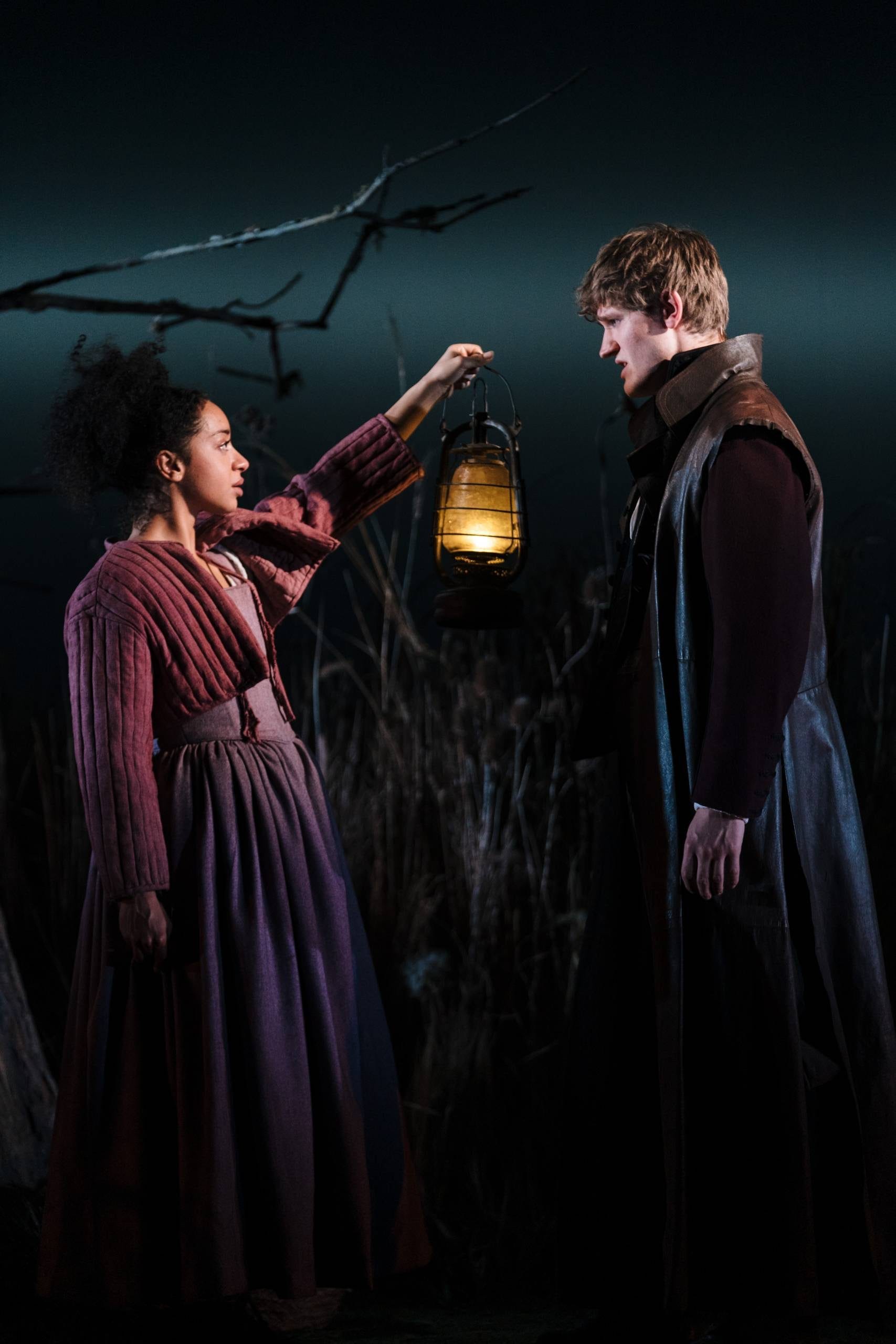
I think some of the emotional impact of the show comes from the relatability. Obviously this situation is extreme, but I also don’t think that this kind of competitive experience isn’t uncommon among women, unfortunately. Both Anna and Jane are trying to cater to what they think the men in their lives want—possibly because their physical well-being is dependent on being married in the future, but also because their world in general is controlled by the perspectives of men, as the overarching story of Henry VIII and Anne Boleyn makes very clear. They survive if they cater to what the world of men asks of them. Ultimately, Jane feels helpless because she knows that Anna’s brashness will be sexually appealing to men, but Anna feels helpless because she knows that despite her personality and sexual openness, the men in the village will never marry her because of her social status and reputation. At one point in the show, Mariella finds out about Anna and Richard, and Mariella’s response to Richard and Anna’s infidelity demonstrates the suffocating nature of the societal constrictions these women find themselves in:
"ANNA: I knew you wouldn’t understand.
MARIELLA: Are you joking?!
ANNA: Because men, men don’t want you the way they want me, Mariella! They just don’t.
MARIELLA: I can’t hear this-
ANNA: No Mariella, please I know what you think-
MARIELLA: No, you know what I think Anna? D’you know what I really think? I think you don’t even fucking know me. You don’t. You’re standing there and you’ve got the audacity to say that I don’t understand? I don’t understand?! After everything you saw me go through with William?
ANNA: No it’s not the same - it wasn’t about love -
MARIELLA: OH WELL FUCKING LUCKY YOU. LUCKY YOU, ANNA, IT WASN’T ABOUT LOVE. But me? I’ve been walking around with a fucking limb missing, bleeding out all over the village and wiping it up before anybody sees it. Keeping my fucking eyes on the ground, trying not to see William in the sky or the sun or the hedgerow and you? You do this and it’s not even for love? You just do this ‘cos what? ‘Cos you want to? ‘Cos you can? ‘Cos you think you’re the only one?…I’ve loved him since I was eight and for the last two years I’ve existed on smiles in the market. You don’t think I want to be out here, out anywhere, with William?
ANNA: Then why didn’t you?!
MARIELLA: Because it’s not how the fucking world works! Because he married her! And what am I gonna do sabotage his life, sabotage mine? Because this way, at least I get to stand under the same bit of sky as him, breathe the same fucking air, because this way nothing gets ruined. But you wanna know what I really think?
I think I’m jealous. I think I’m jealous that you can do that and it not even be for love. And I think I hate you for it. And I think I’m scared for you. And I think you’re a marvel and a fucking abomination.
ANNA: It’s not my fault you lost, Mariella.”
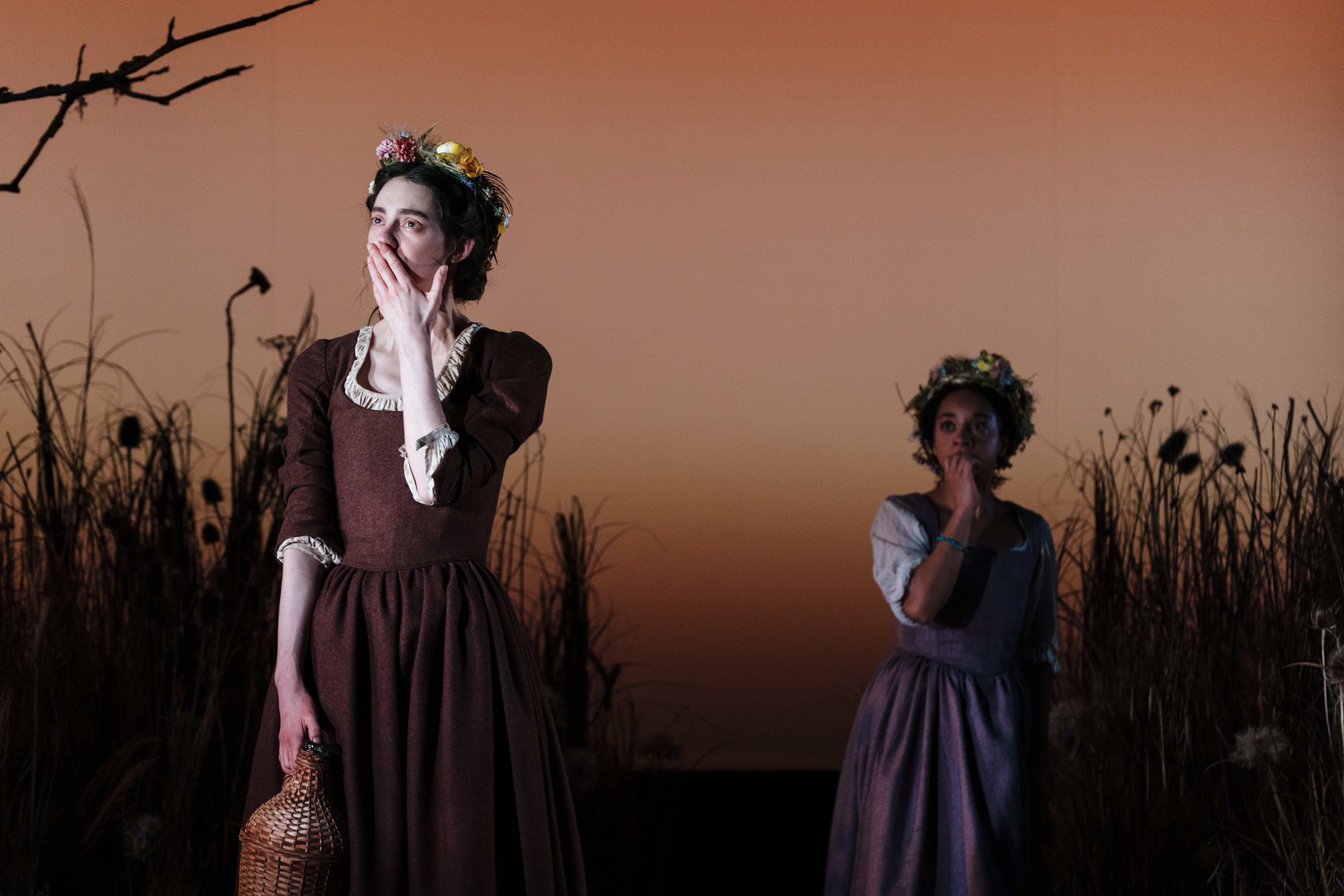
Mariella is pointing out something profound. All of the women follow a set of unspoken rules about how to behave—except for Anna, which is why the women think she is selfish. Mariella is in an apt position to comment on Anna’s behavior, being the most reasonable and kind of the three women. She also understands Anna’s position, having been in love with a man who married someone else because of social status. Mariella did what was expected of her, and Anna did not.
Anna may give the appearance of liberty by doing what she wishes with the men in her life—she takes what she wants without following the unspoken code between women that keeps them all safe, but as Richard cruelly points out at one point, Anna is “not the type of girl that women believe.” Anna craves power within a life that she doesn’t always have power within, and so she tries to cheat the system by using her sexuality to appeal to men. The irony is that she must appeal to men to change her world in the first place. The double irony is that men know that Anna craves control in her life, and they take advantage of it, even knowing that they will never marry her, which contextualizes the conversation that Jane and Anna have when Jane finds out that Anna has been having sex with her husband.
“ANNA: I tried to stop it.
JANE: Oh so he forced you?
ANNA: No.
JANE: So he raped you?
ANNA: No.
JANE: No because you’re not the type of woman who needs to be raped are you Anna?
ANNA: Just cos it wasn’t taken by violence doesn’t mean it wasn’t taken.”
Even though Anna is responsible for her choices and her betrayal of the women around her, the fact that so much of her life is determined by men’s opinions of her is what she is getting at when she said that something was “taken” from her. Whether she chose to have sex with Richard behind Jane’s back or not, the idea that Anna had the option to be married to someone in the village was robbed from her when she realized that the men she was with only chose her in one aspect, and chose not to marry her because she didn’t conform to what they defined as “good.”
It comes out though that Jane’s attempts at being good don’t fit with Richard’s ideals either. Once Richard and Jane are married, he tells Anna about his life with Jane. “Believe me,” he says, “all she does is eat and pray and fucking tremble, it does my head in.” Even though Jane is a good wife—she comes from a good family with a good dowry and a good, innocent personality—Richard can’t stand her either. It’s almost as if he wants Anna to be Jane on the outside and Anna on the inside. Each woman is expected to contort into what is expected of them. This pressure eats at all of them, but especially Anna, who is emotionally connected to Richard whether she wants to admit it or not. After Anna and Richard meet up for the first time after Jane and Richard are married, Mariella finds Anna in a fit of feral rage, screaming and beating at a bush with a stick. Anna then comments,
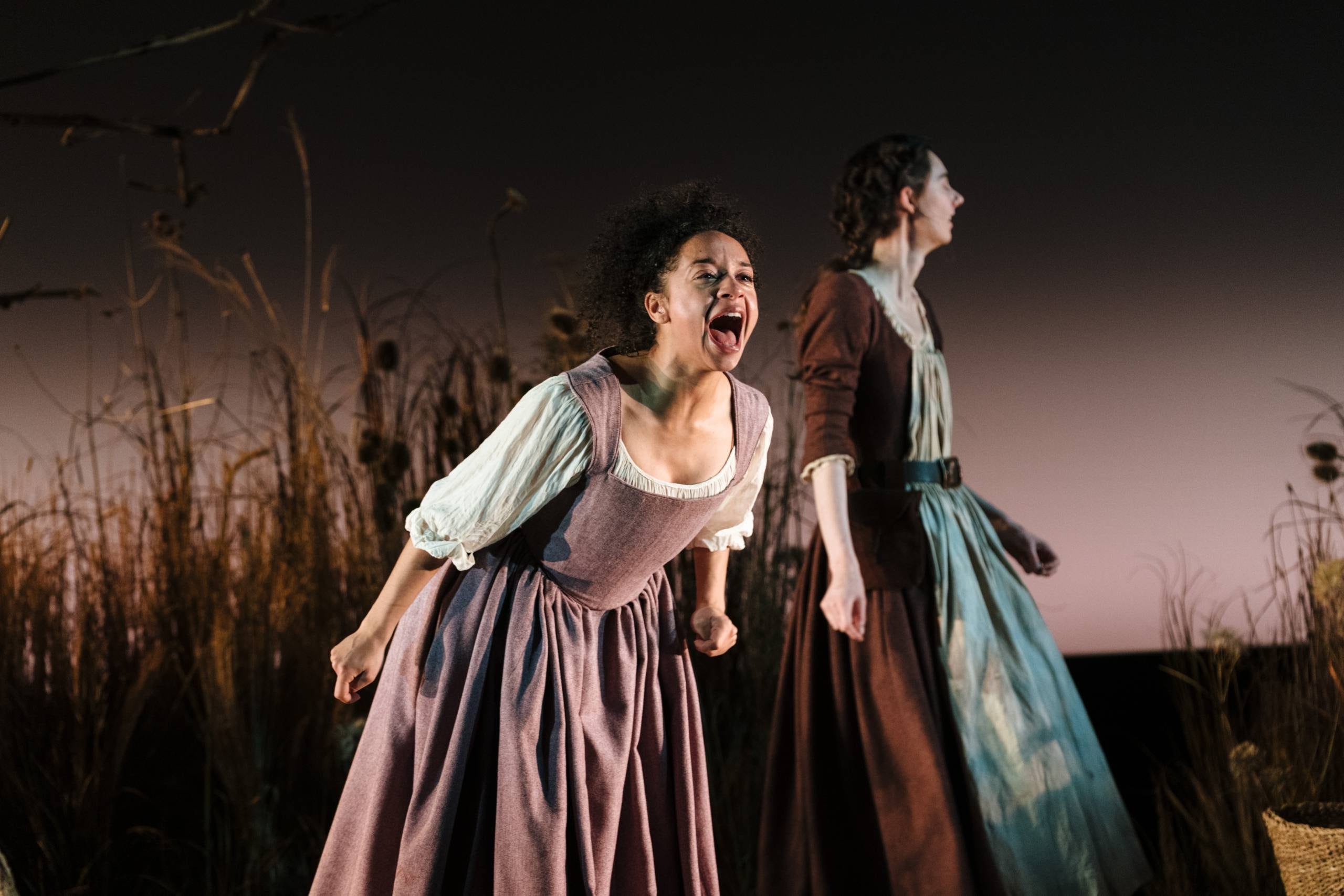
“I just feel, like I’m being boiled down? I feel like I’m being reduced over a hot fire into something, small and and hard and I don’t know why? I can’t work out why? Like, I can’t work out when it changed? Everything I do, seems, seems wrong and - it feels like the air is changing, is the air changing?”
Later, Mariella hears from another woman that Jane was seen in the market with a black eye. Mariella and Anna question whether it was Richard, and then come to the conclusion that it was. Anna asks what Jane will do, and then they both question when these expectations for women will change. The devastating part of this play is that these things still happen, and they likely will continue to happen.
“MARIELLA: I don’t know. I guess the trick is to figure out what it was that made him hit you in the first place and then just not do that again.”
ANNA: Has it always been like this?
MARIELLA: I don’t know.
ANNA: Will it always be like this?
MARIELLA: I don’t know.”
Mariella, Jane, and Anna are connected by the fact that they grew up together. They love each other and know each other well, but it’s also clear that the world they live in is designed to pit them against each other—to make them compete. Despite the roundedness of the characters and the depth of the friendships between the women, all of their conflicts revolve around men and what is expected of them by the men in their lives. Anna and Jane fight because they are both attempting to define themselves against their societal expectations, just in different ways. The sexual politics bring up intensely strong emotions, and both Anna and Jane are vulnerable to Richard in different ways. Anna because she is infatuated by him and craves power in her own life, and Jane because she is his wife and her financial support.
The play asks whether female solidarity is possible in a world where the expectations for women are defined by men—they are fluid and always-changing. Because Jane and Anna are forced to conform to different male ideals, they are ultimately incapable of choosing each other. Jane’s explosive reaction to Anna’s betrayal demonstrates the safety that lies in conformity. It also shows that despite Jane’s goodness and morality mattering to herself, it matters very little for anyone else. Jane is not allowed to live for herself, and ultimately her goodness makes no difference. Anna is also not allowed to define herself, her choice to not conform makes no difference either. She is guilty in the eyes of both the women around her and the men in her society.
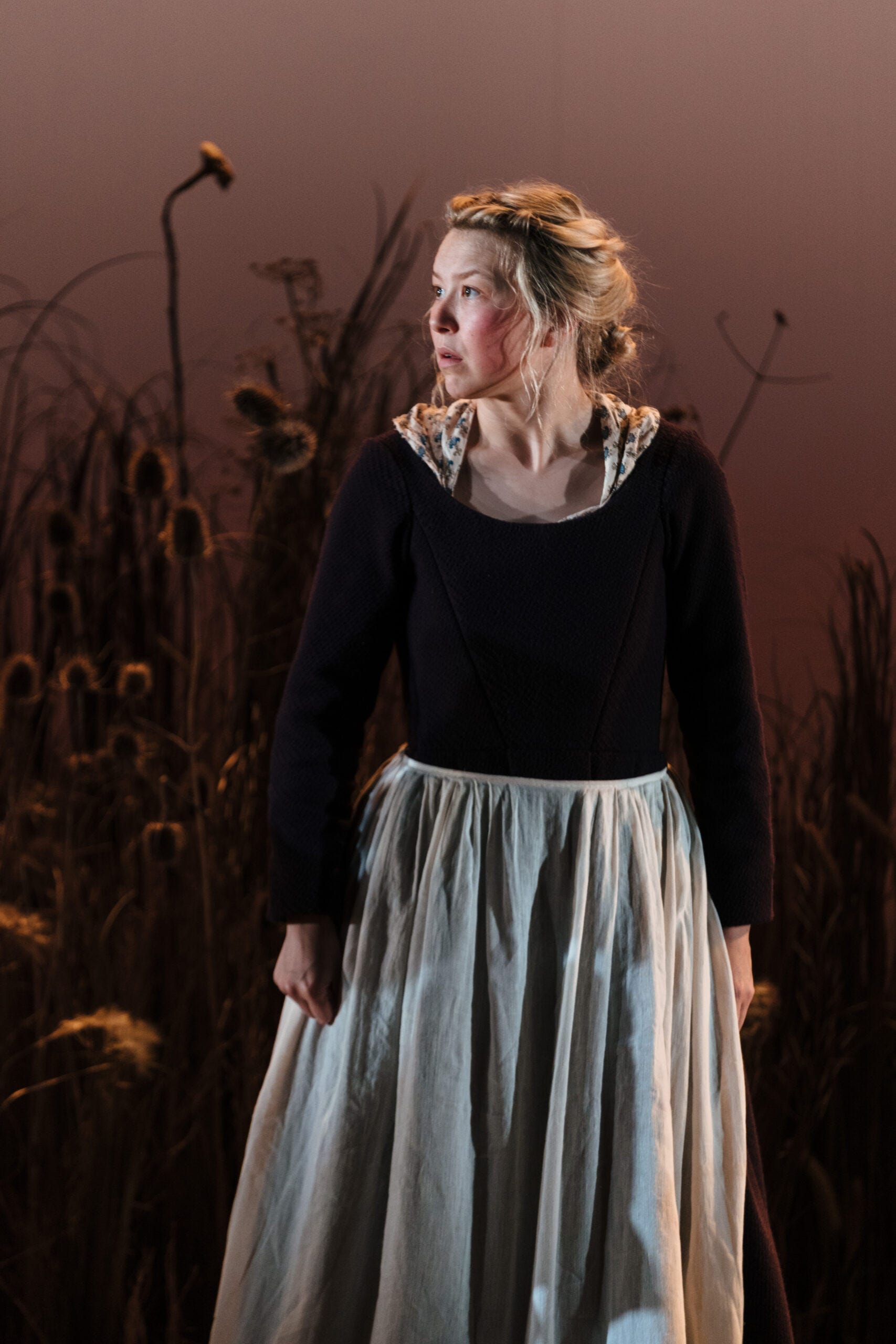
JANE: Did you even love him? Course you didn’t, girl like you doesn’t want love, girl like you just wants to have something, just wants to be greedy, to have some kind of fucking power -
JANE SMACKS ANNA across the face with such force that it makes her stagger back.
MARIELLA: JANE!
JANE: Does it feel powerful now?!
ANNA gets to her feet.
You ruin us all! You ruin us fucking all! She has always done this. You have always done this, taking up all the space, sucking up all the air, you have to ruin it, you have to have everything, you can’t put up with anything! It’s disgusting. I used to pretend like it wasn’t but it is and everybody says it. All the men know, Anna. Which is why no one will marry you. All of them say yes to your body but no to you. Don’t you see that? And I tried to protect you! I tried to warn you about what people are saying and and and now look what you’ve done.
…
MARIELLA: Jane, don’t do this.
JANE: What? I’m just saying what I saw. I’m just saying what she did.
ANNA: Richard wants to fuck me Jane and you’re gonna send me to the gallows for it?
JANE: It’s not good.
ANNA: Being good isn’t important / it’s not -
JANE: IT IS FUCKING IMPORTANT! MY LIFE! MY LITTLE LIFE! MY MARRIAGE! MY HUSBAND, MY HOME, MY GOODNESS IS FUCKING IMPORTANT!
At the end of the play it is implied that all of the women are pronounced guilty for an accident of Mariella’s. Just as the play flaunts the absurdity of a king murdering his own wife with no consequences, it also flaunts the absurdity of men who proclaim the guilt of everyday women. Jane is too quiet and too innocent, Anna is too bold and rude, and Mariella—even the most intelligent and reasonable of them—makes a simple mistake when delivering a baby, and the town is after her.
Misogyny towards women does exist, even if we don’t see or experience it. I don’t think the play is saying that the women don’t need men, or that men always blame women. I think it is asking why the women in the play are so eager to be “chosen” by the men nearest them. I also think it is saying that it should be possible for the women to be themselves without feeling like they are reduced into something less than they are capable of being. It is asking important questions about female solidarity within feminist conversations, as well as what women’s responsibilities are to each other, especially when relationships with men are involved.
I’m limited on time, so I can’t really say all of my thoughts on this show; I don’t really feel that I did it justice. It’s difficult to describe the experience of watching 1536 and give analysis without explaining the entire plot, but I hope you enjoyed reading some of the small snippets I picked out. I appreciated the chance to watch something so sharp in London, and I especially appreciated how emotionally drawn to this show I was. I feel like I understand catharsis a little bit more now, and I am grateful for the chance to engage with works of art that challenge my perspectives and help me better engage with my own experiences and emotions. I hope my response is interesting to read, even though no one who reads this will have seen the play. Love you all.
Booking my tickets to The Great Wen asap rocky ✋😩 solid analysis Sophie! And gets me excited to see the play
Thx for the insightful analysis, Sophie! Makes me want to explore this play—Grandpa